Your browser (Internet Explorer 7 or lower) is out of date. It has known security flaws and may not display all features of this and other websites. Learn how to update your browser.

X

Navigate / search

SHARE YOUR STORY

Take a moment to share your favorite memories. More >

EVENT CALENDAR

Take a look at our calendar for a complete list of events. More >

NEWSLETTER

Check out our quarterly newsletter to be in the know. More >


EXPLORE FORT MONROE’S NATURAL BEAUTY AND IMPRESSIVE HISTORY

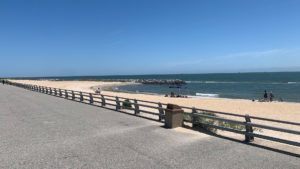
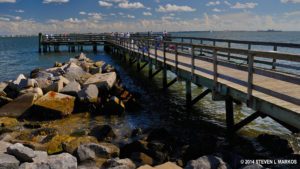
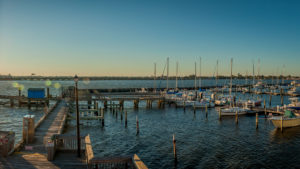
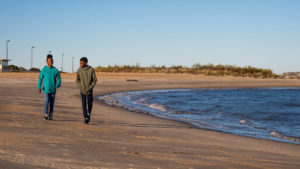
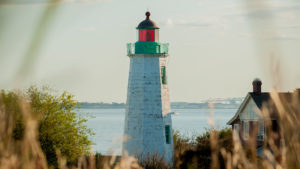
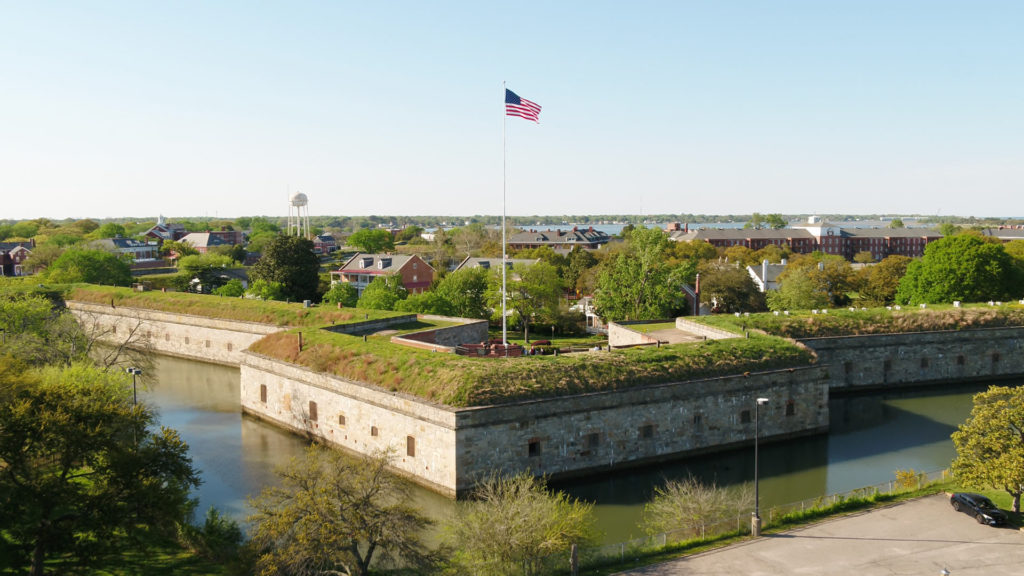
For more than 400 years, the 565-acre Fort Monroe, Virginia, located at the mouth of the Chesapeake Bay has served as a home to some of our nation’s most significant events. With its panoramic waterfront views, nature trails, historic homes and buildings and so much more, Fort Monroe, Virginia is a wonderful place to live, work, play and learn.

Tucked away from the hustle and bustle yet with immediate access to the heart of Hampton Roads, Fort Monroe is easily accessible from Interstate 64 and within close proximity to three of Hampton Roads’ major airports, Norfolk International Airport, Newport News Williamsburg International Airport and Richmond International Airport.

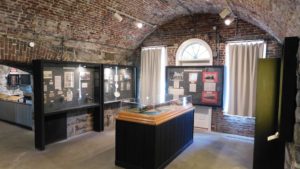
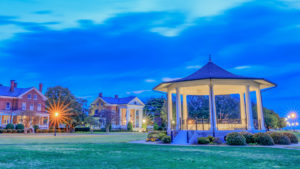
Once you have crossed the bridge onto Fort Monroe, you will find a wide variety of places to visit. From learning about the property’s past at the Casemate Museum to exploring the Fort Monroe National Monument, a national park unit open for outdoor activities, your whole family will enjoy Fort Monroe.

AMERICAN HISTORY ABOUNDS AT FORT MONROE

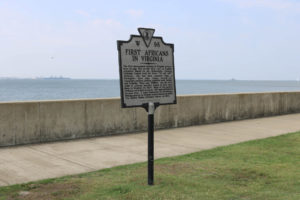
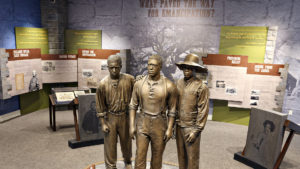
After centuries as one of the nation’s most strategic military locations, this remarkable area is now poised to grow as a sought-after destination for businesses, living and tourism. Beginning with evidence of early Native American use, Fort Monroe was originally explored by Captain Christopher Newport in 1607.  As the largest stone fort built in the United States, Fort Monroe has a significant presence throughout American history, from being part of Civil War-era freedom movement to serving as an important military resource during both World Wars.

On November 1, 2011, President Barack Obama signed an executive order granting national monument status to Fort Monroe. Today, Fort Monroe is open to the public and its myriad of historic buildings will be preserved and adaptively reused. From the beautiful natural landscape and rich historic past to exciting public events and programs, come visit to see all that Fort Monroe has to offer.

MOVING TO THE FUTURE WHILE PRESERVING THE PAST

The Fort Monroe Master Plan for adaptive reuse is rooted in three guiding principles: Preserve the PlaceTell the Story and Be Economically Sustainable. The Fort Monroe Authority and their consultant, Sasaki Associates have conducted a series of public meetings aimed at both updating the community on the planning progress and soliciting citizen input. Check out the event calendar to see when the next meeting will be held.

“We’re extremely pleased with the progress of our master planning process,” says Glenn Oder, Executive Director of The Fort Monroe Authority.  “We maintain our commitment and efforts to ensure the public has every opportunity to provide input each step of the way.  We want the final plan to be something we all can support,” adds Oder.

The Master Plan process is well underway, but you can still join the conversation and share your ideas for Fort Monroe by visiting our Online Town Hall Meeting.